PUERTO RICO CULTURE
Puerto Rico’s history is shaped by successive waves of encounter and change. Indigenous Taíno peoples inhabited the island for centuries before Christopher Columbus claimed it for Spain in 1493, beginning three centuries of Spanish colonial rule.
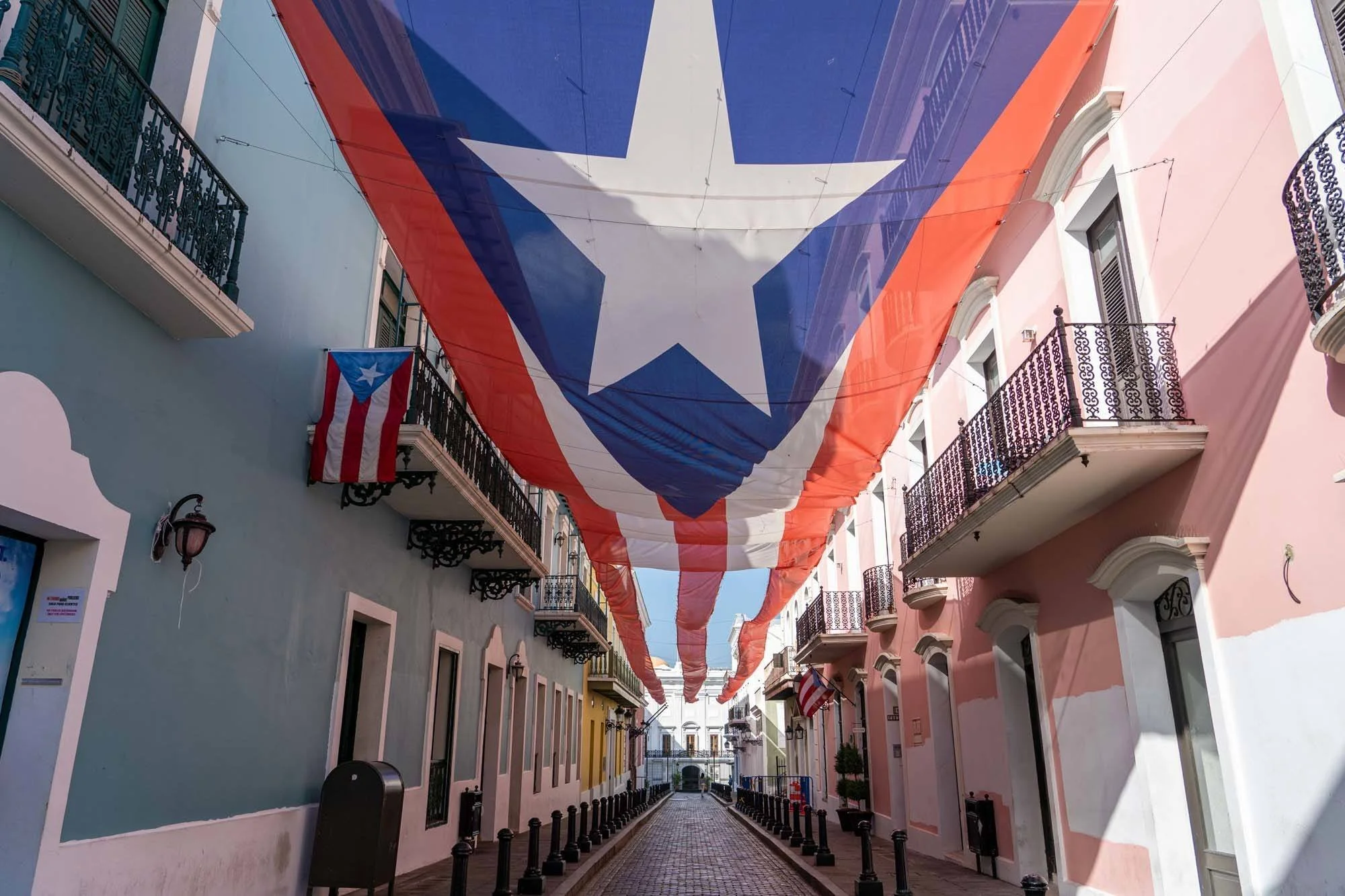
During that period the island became a strategic military outpost and a plantation economy built on sugar, coffee, and enslaved African labor, while enduring famines, epidemics, and periodic rebellions.
The Spanish–American War in 1898 transferred Puerto Rico to the United States, ushering in new political arrangements, shifts in economy and infrastructure, and ongoing debates about citizenship, autonomy, and status that continue to define its relationship with the mainland.
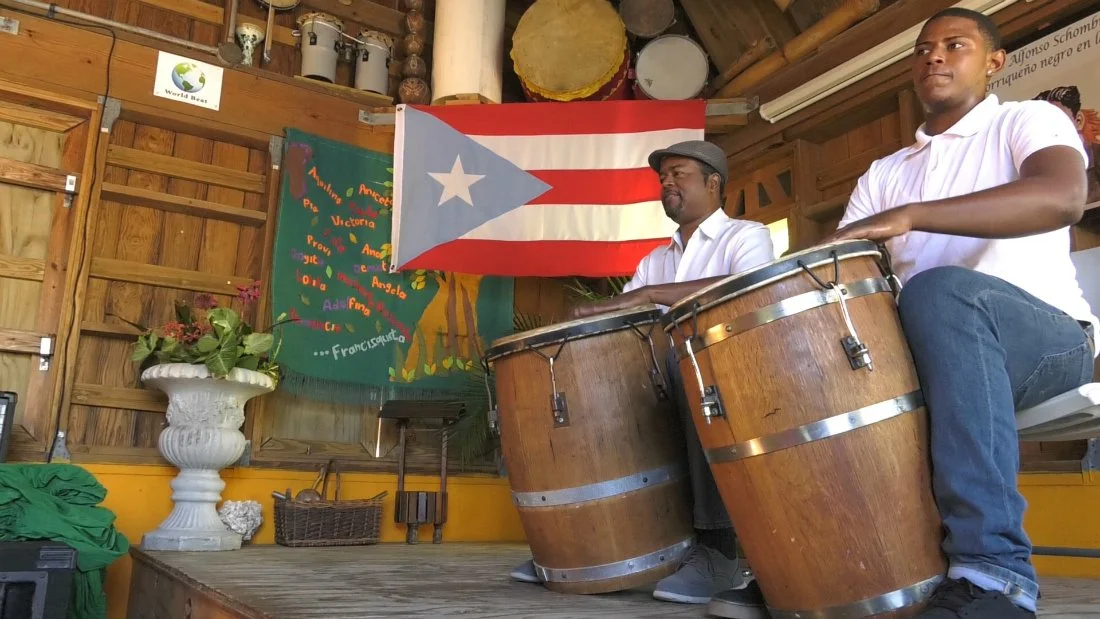
Culturally, Puerto Rico is a dynamic fusion of Taíno, African, and Spanish influences, enriched in modern times by sustained Caribbean and North American exchange. Music and dance—bomba, plena, salsa, reggaetón—serve as vital forms of social memory and contemporary expression, while visual arts, literature, and theater grapple with identity, migration, and resilience.

Language and food reflect hybrid roots: Spanish is dominant alongside English in many contexts, and cuisines blend indigenous staples, African techniques, and Iberian flavors into dishes such as mofongo, arroz con gandules, and pasteles, which are central to family gatherings and festivals.
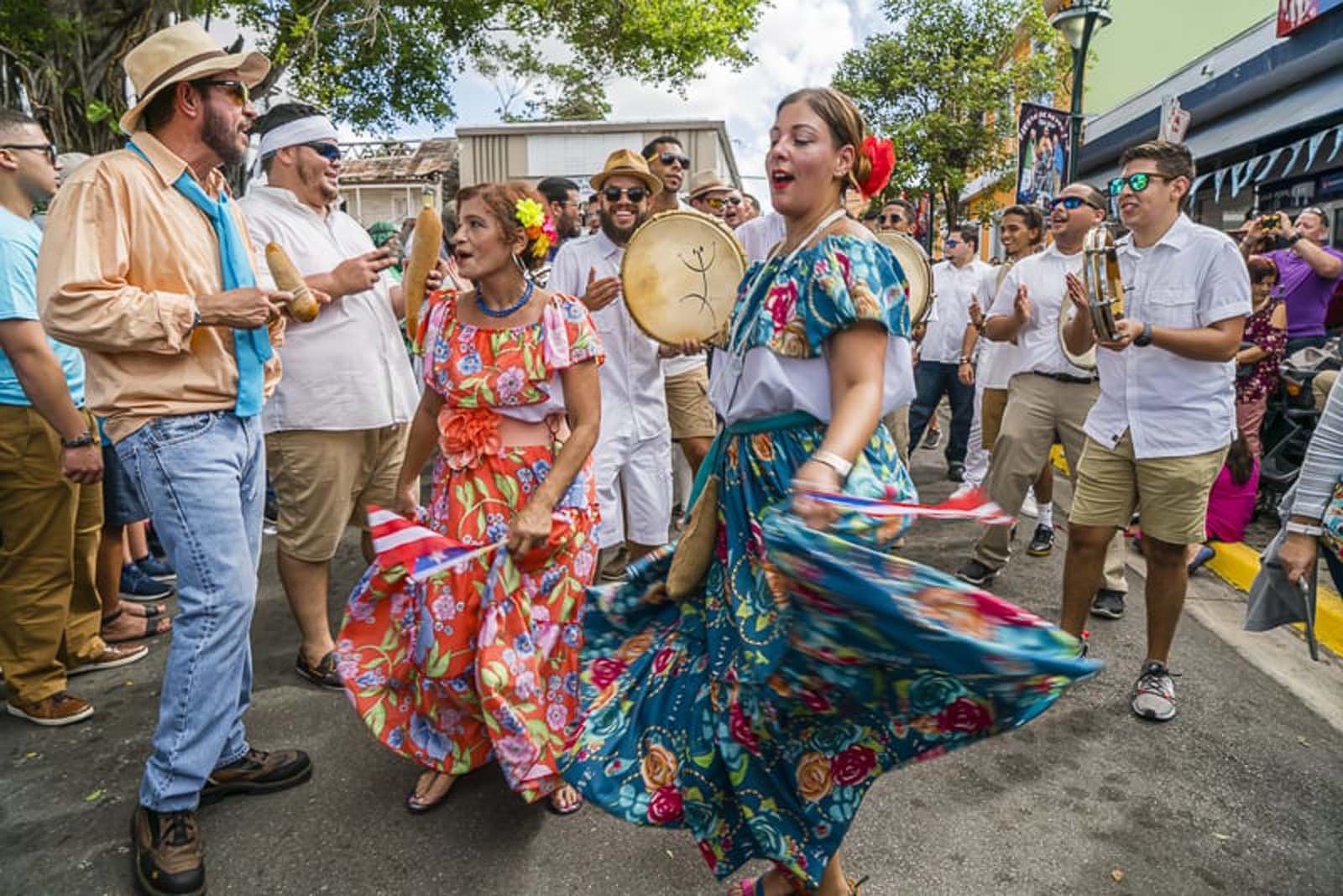
Resilience and creativity mark Puerto Rico’s recent history as much as its past. The 20th and 21st centuries brought industrialization, large-scale migration to the U.S. mainland, and political movements over commonwealth status, statehood, or independence.
Natural disasters—most notably Hurricane Maria in 2017—exposed infrastructural vulnerabilities but also catalyzed grassroots organizing, mutual aid, and artistic responses that underscore communal strength.
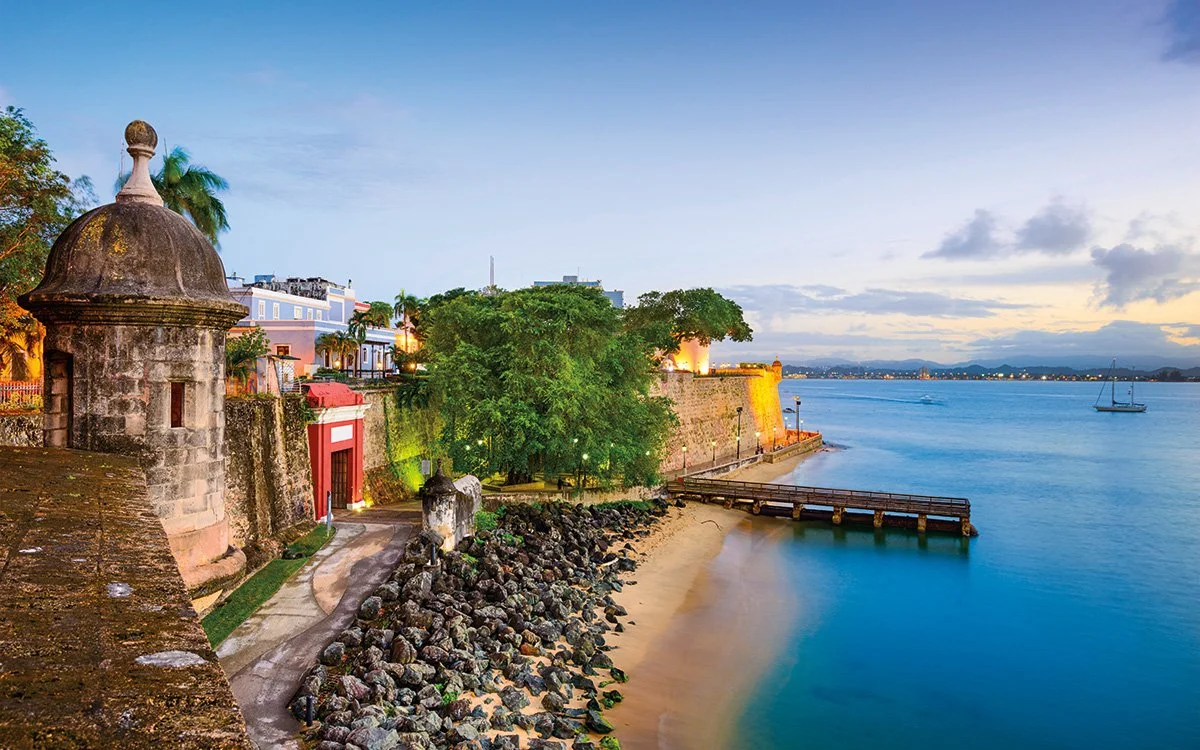
Today Puerto Rican culture continues to evolve, balancing preservation of traditions with innovation in arts, entrepreneurship, and civic life, asserting a distinct identity within the broader Atlantic and Latin American worlds.


YOU MAY ALSO LIKE